
Endometrial cancer treatment focuses on removing cancer, preventing its spread, and improving long-term health outcomes. The treatment plan depends on the stage of the disease, tumor characteristics, overall health, and individual patient needs. A combination of surgery, radiation therapy, chemotherapy, hormone therapy, and targeted treatments may be used to achieve the best possible results.
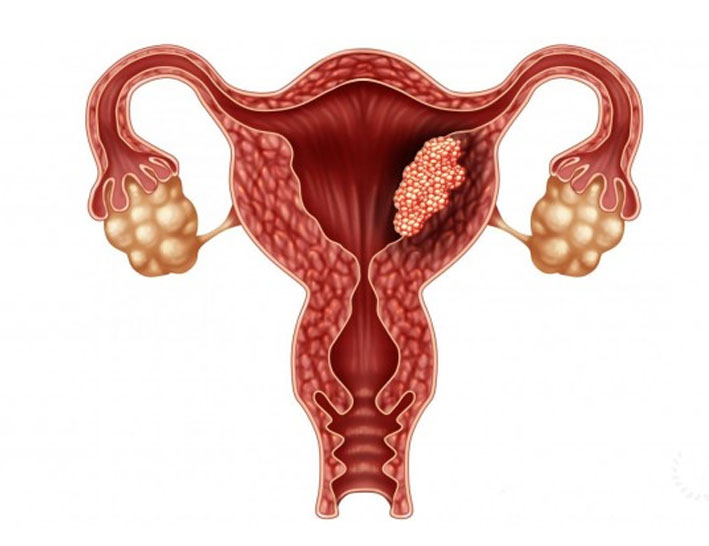
A multidisciplinary team of gynecologic oncologists, radiation specialists, and medical oncologists works together to create a personalized treatment strategy. Early-stage endometrial cancer is often successfully treated with surgery, while advanced or recurrent cases may require additional therapies to control disease progression and improve quality of life.
Regular follow-up care is essential after treatment to monitor recovery, detect any signs of recurrence, and manage long-term health. Ongoing surveillance, supportive care, and lifestyle guidance help patients maintain their well-being and achieve the best possible outcomes after endometrial cancer treatment.